.png)
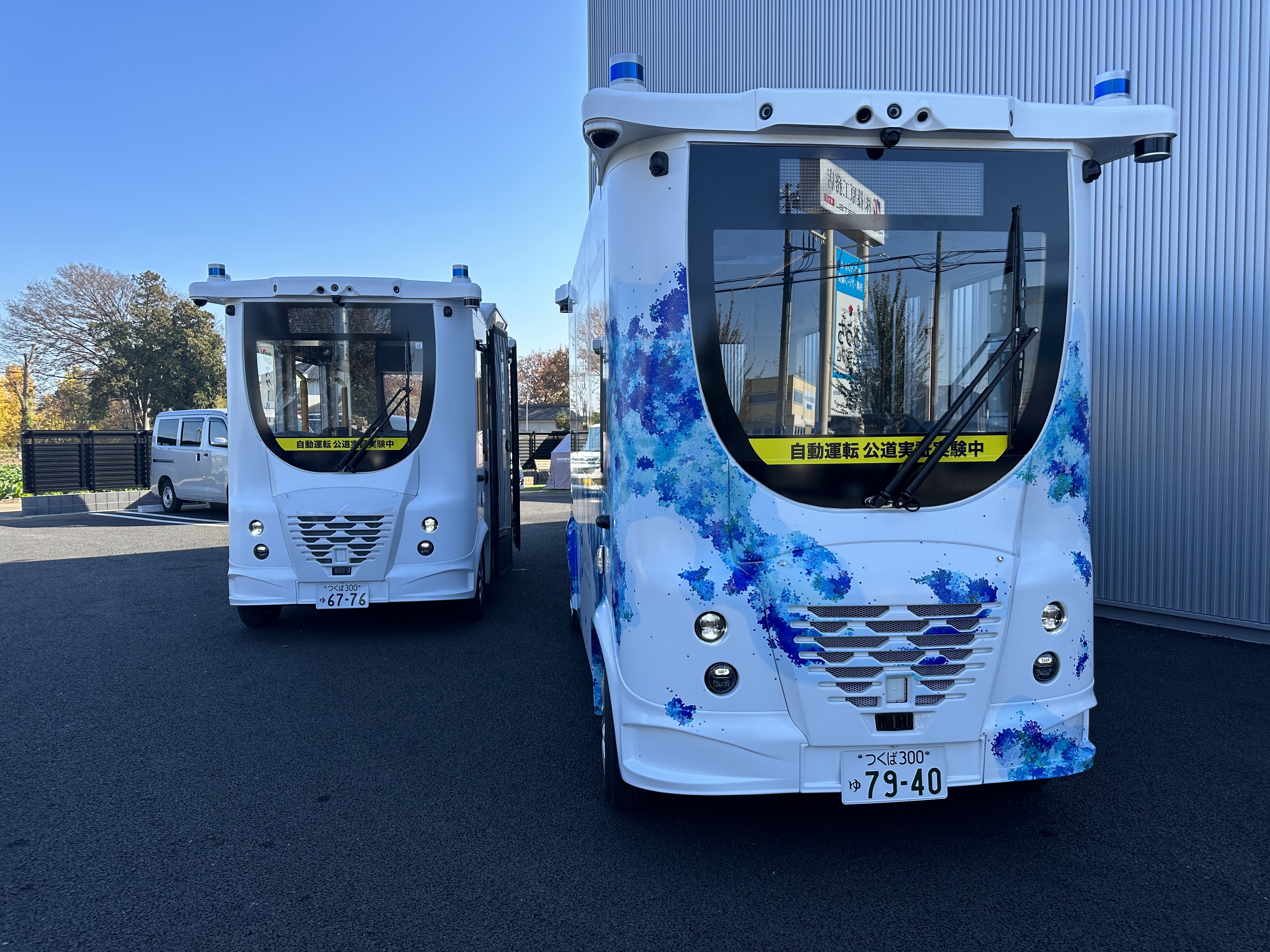
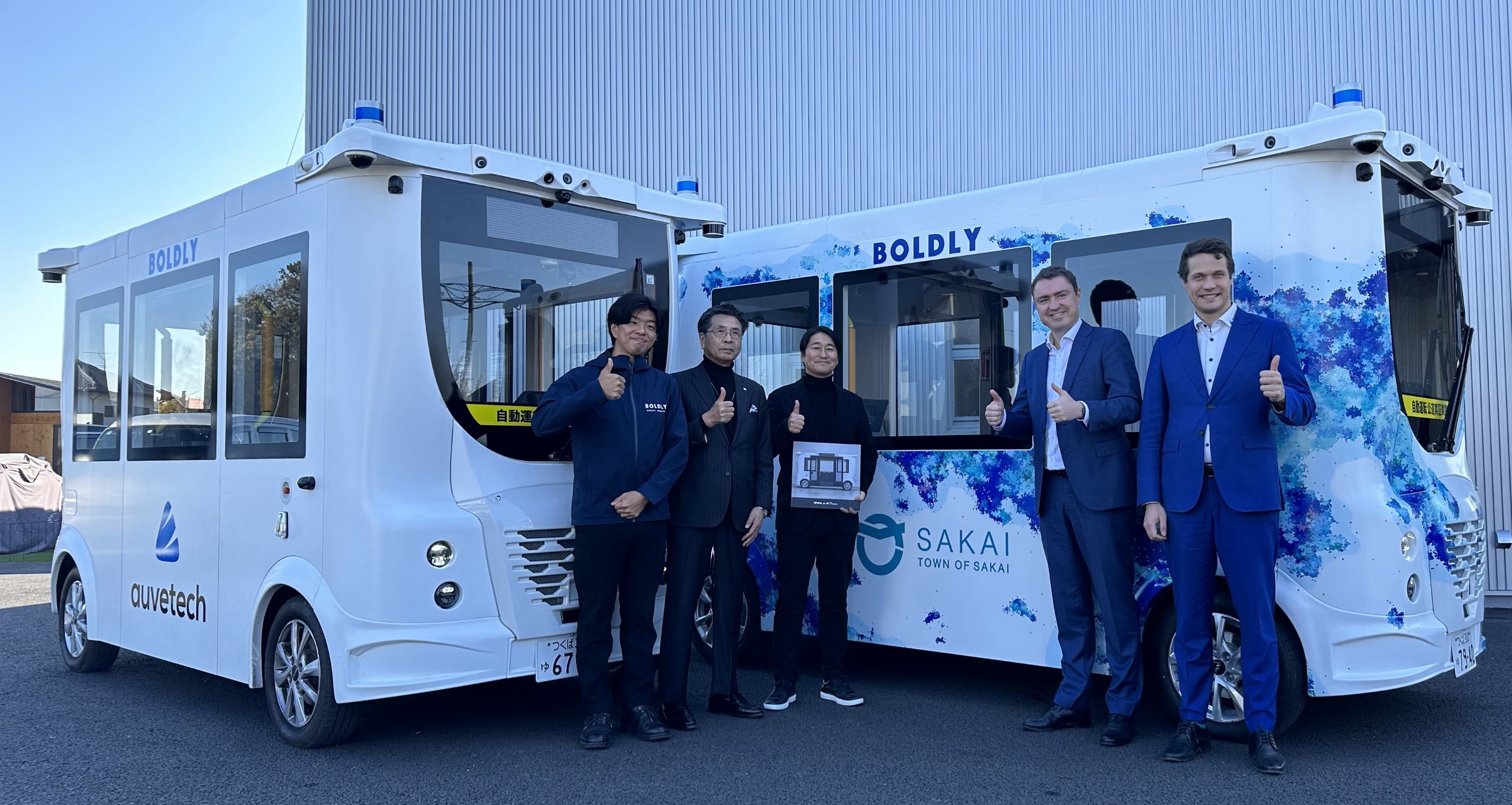

Facing a growing driver shortage and the need to maintain mobility for residents, Sakai Town in Ibaraki Prefecture took a bold step toward the future of transportation. By deploying a fleet of autonomous shuttles as the town's primary public transportation service, Sakai Town implemented an innovative mobility solution that improves accessibility, supports local communities, and demonstrates how self-driving technology can help regional areas thrive. Operating in open traffic six days a week, the autonomous service provides reliable transportation for residents and visitors while showcasing a sustainable model for rural and suburban mobility.
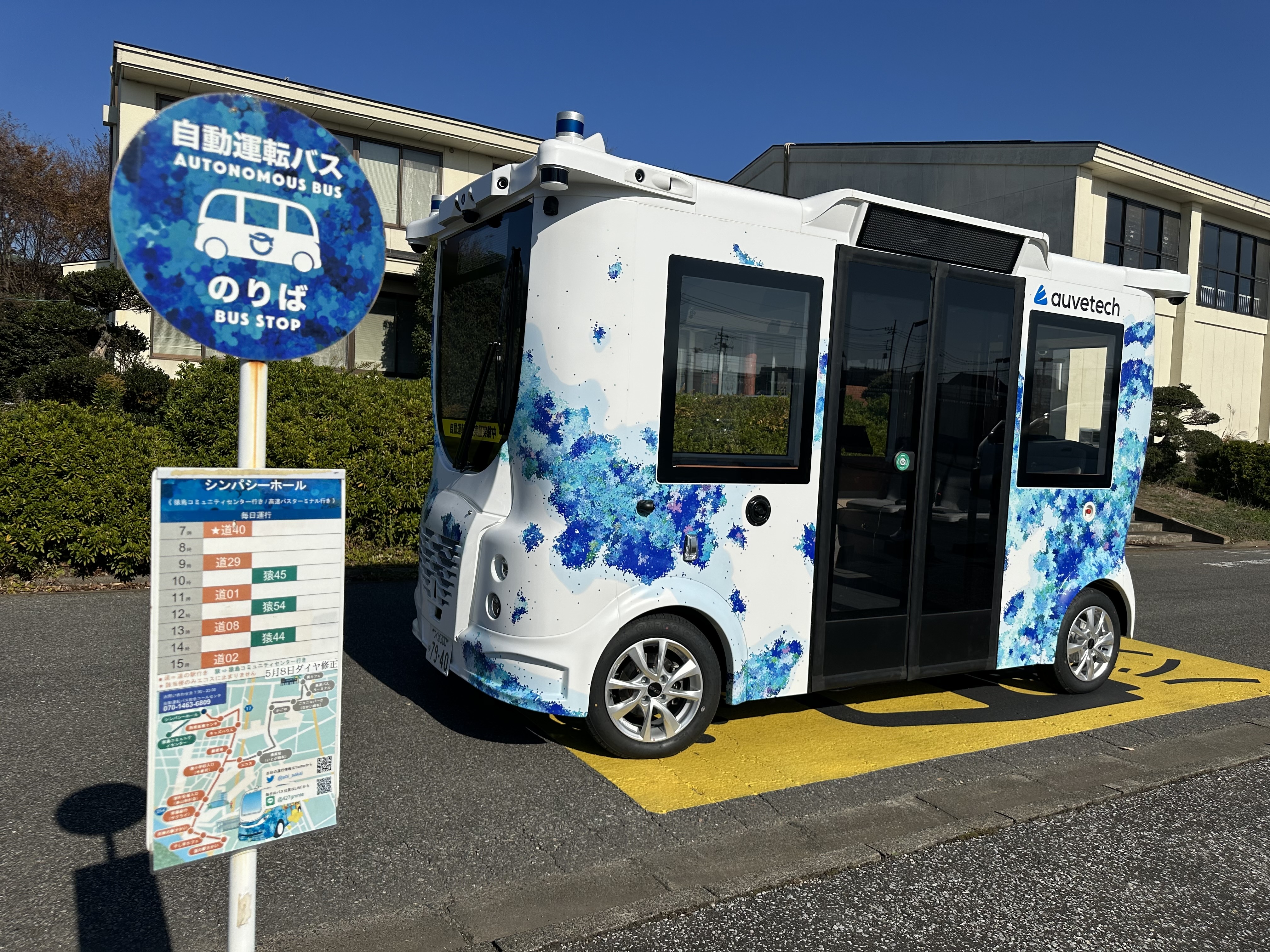
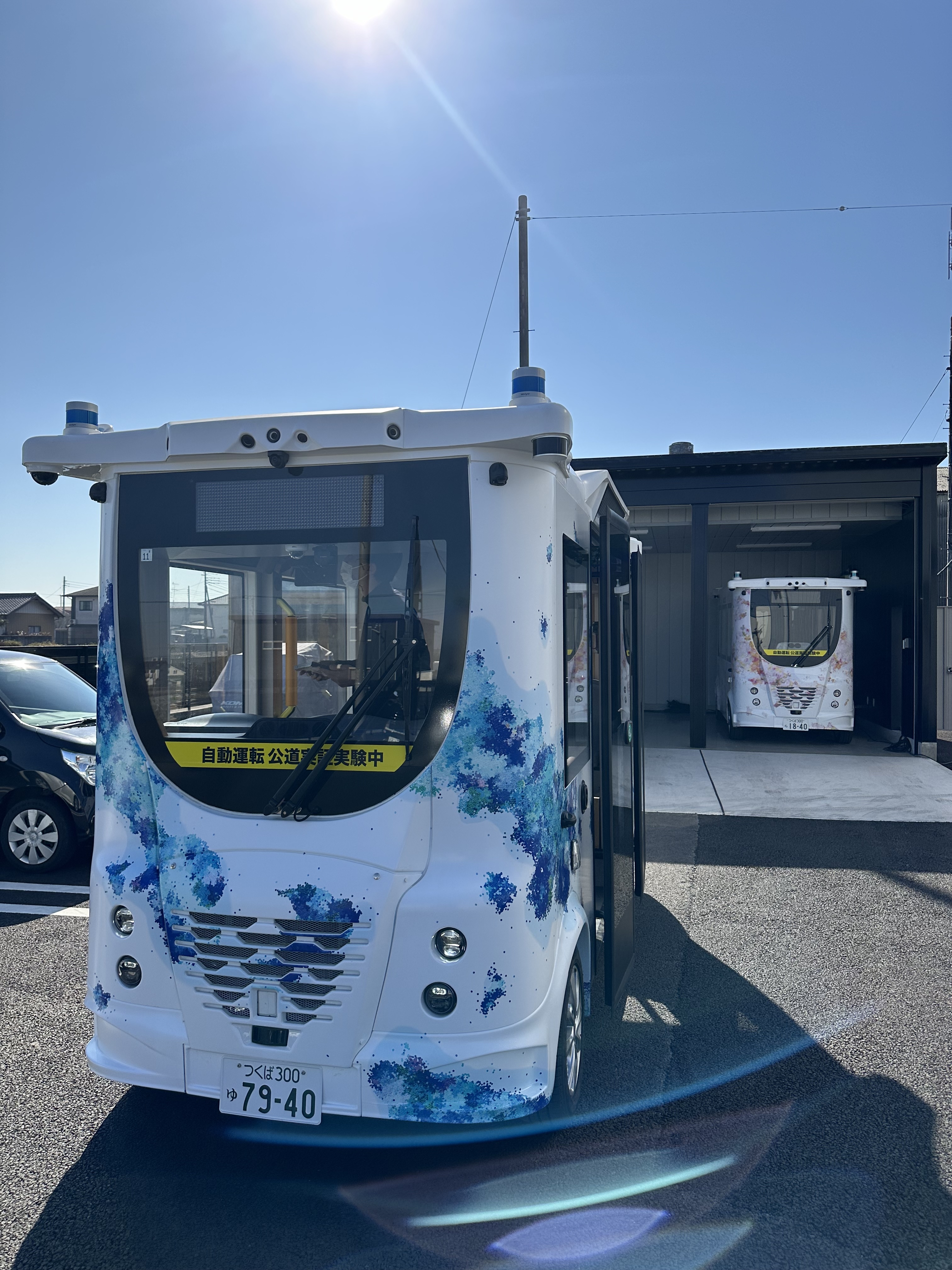
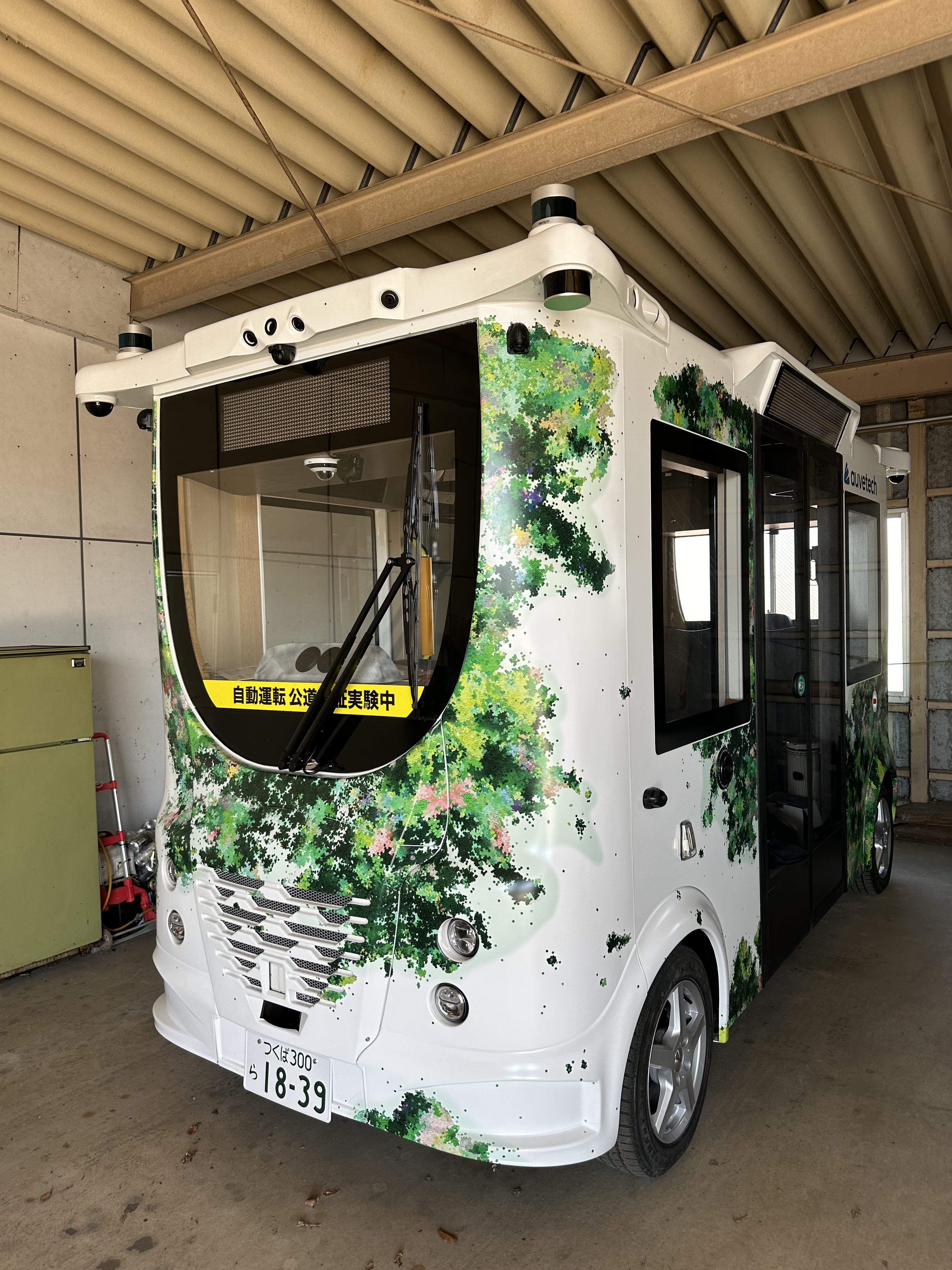
Sakai Town became one of Japan's examples of practical autonomous public transportation deployment. The municipality introduced a fleet of three autonomous shuttles operating on scheduled routes, making autonomous vehicles a core component of the town's public transit network.
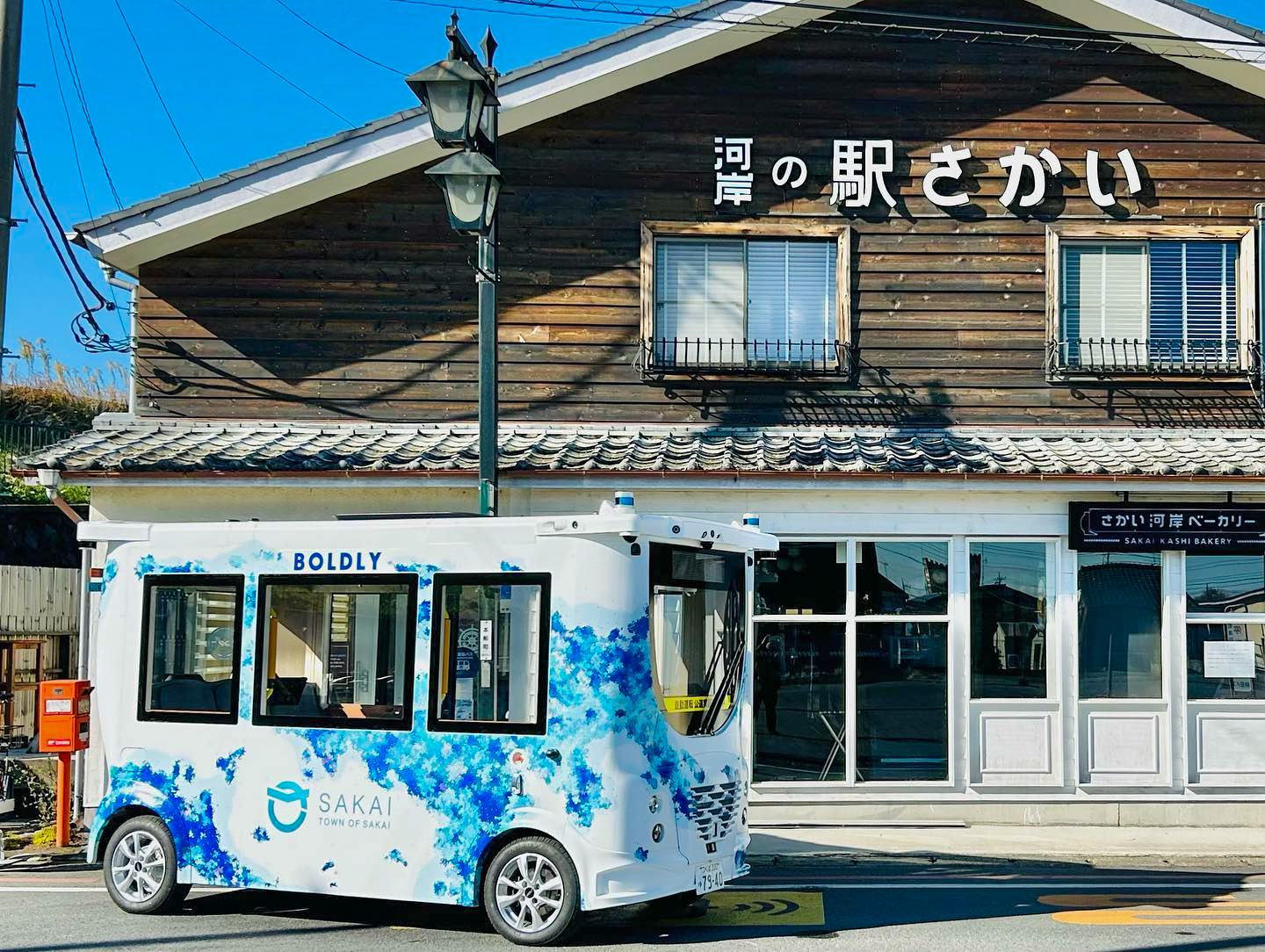
Sakai deployment focuses on daily operation in real-world traffic conditions. The service provides residents with dependable transportation while helping address the ongoing shortage of bus drivers affecting communities across Japan.
Sakai Town is a regional community where maintaining convenient and accessible public transportation is essential for residents' daily lives. Like many municipalities across Japan, the town faces demographic changes and transportation challenges, including a decreasing number of professional drivers available to operate conventional public transit services.
The operating environment includes:
The project was designed to achieve several important objectives:
Auve Tech's autonomous shuttle solution enabled Sakai Town to establish a scheduled transportation service powered by self-driving vehicles.
The deployment included:

The project began with evaluating local transportation needs, passenger demand, route suitability, and infrastructure requirements. Key destinations and transit connections were identified to maximize community benefit.
Road conditions, traffic patterns, intersections, and operational scenarios were analyzed to ensure safe deployment in an open-traffic environment.
Autonomous shuttles were introduced and configured for local operating conditions. Fleet management systems and operational procedures were established to support daily service.
Extensive testing was carried out to validate route performance, vehicle behavior, safety procedures, and operational readiness before regular passenger service.
Following successful validation, the autonomous shuttle fleet entered scheduled operation, providing residents with reliable transportation six days per week.
Performance monitoring and operational improvements ensured consistent service quality while collecting valuable insights for future expansion and optimization.
The decline in available professional drivers posed a significant challenge for maintaining traditional public transportation services.
Unlike closed-campus deployments, the vehicles needed to safely interact with other road users in everyday traffic situations.
Introducing autonomous transportation required fostering confidence among residents and demonstrating reliability through daily operations.
The system needed to function as a practical transportation service rather than a short-term pilot project.
Residents gained access to a dependable transportation service operating throughout the week.
The autonomous shuttle network positioned Sakai Town as a pioneer in smart mobility and innovation.
The service demonstrated how autonomous technology can help municipalities address workforce shortages while maintaining transportation accessibility.
The project successfully showed that autonomous shuttles can operate as part of a public transportation system in open traffic conditions.
Sakai Town now serves as a valuable reference for other municipalities seeking sustainable mobility solutions.

Whether you're interested in deploying autonomous shuttles, exploring partnership opportunities, or learning more about our technology, our team is here to help.
.svg)