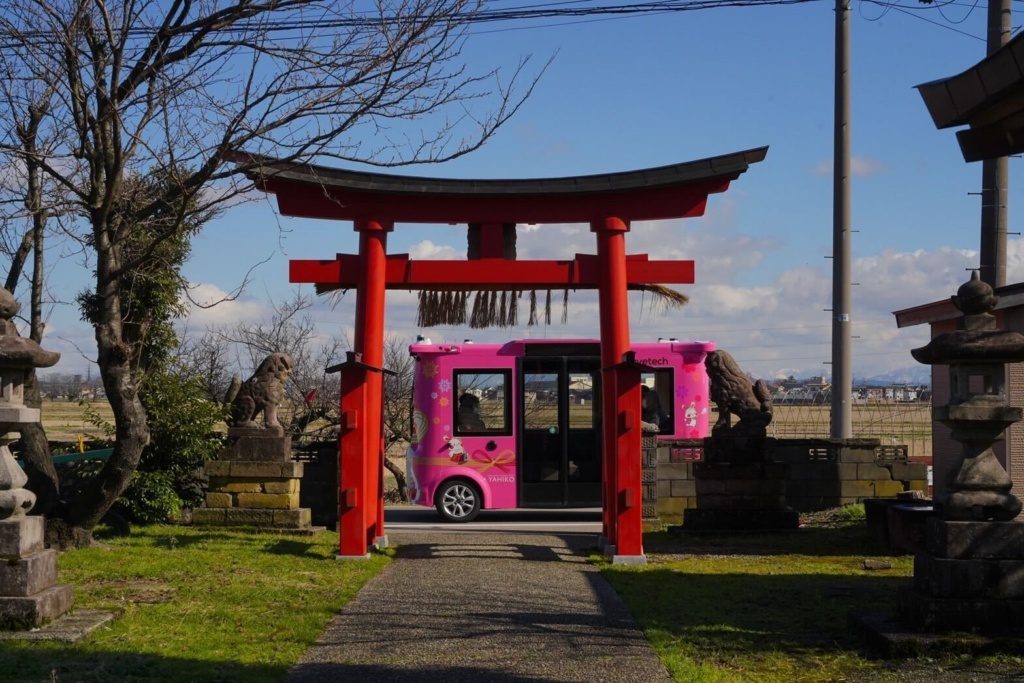
Yahiko, Japan

The project seeks to enhance mobility for underserved demographics, particularly the elderly.
Deployed:
15.01.2024
Route:
11km (6,8 miles)

Project Overview

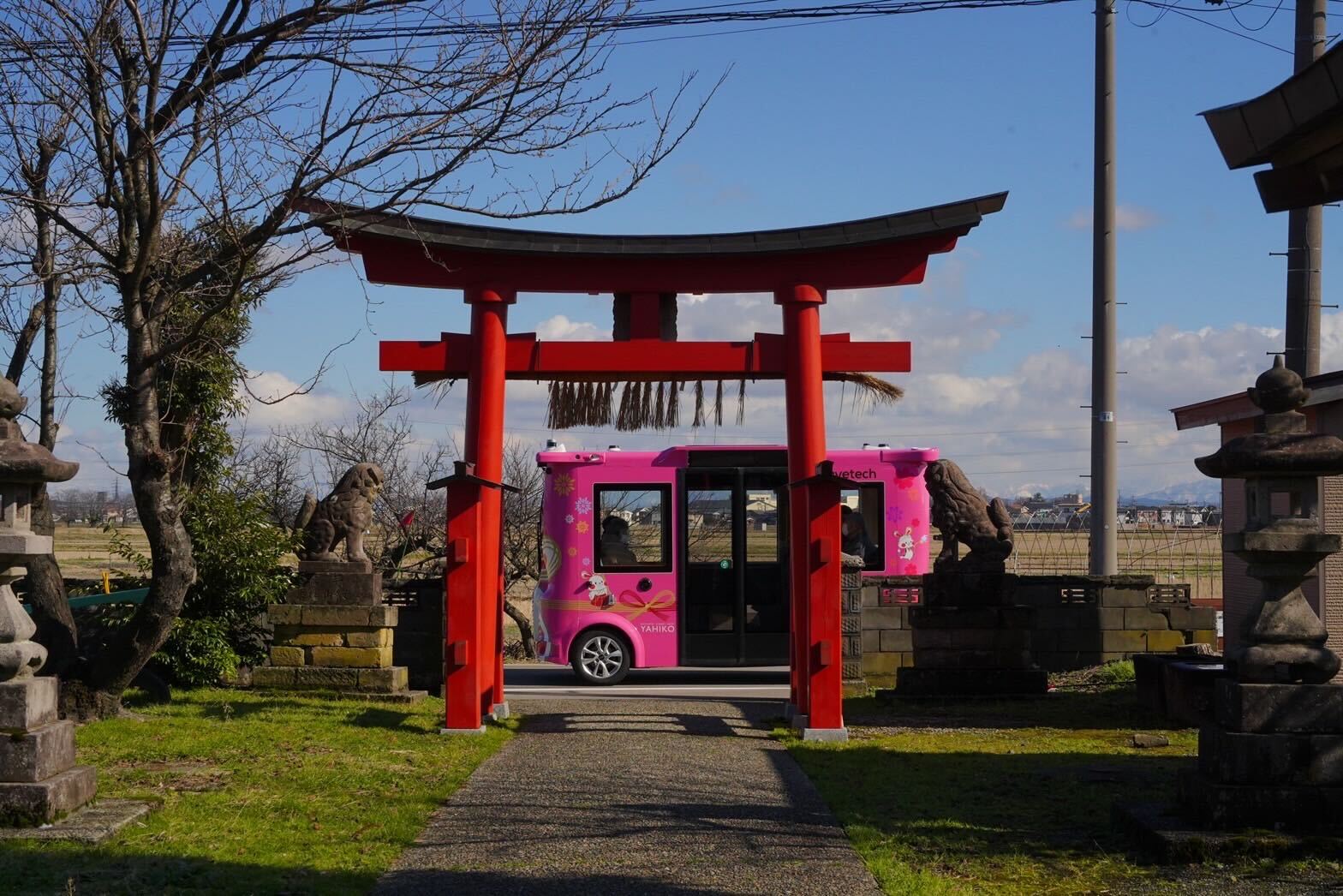
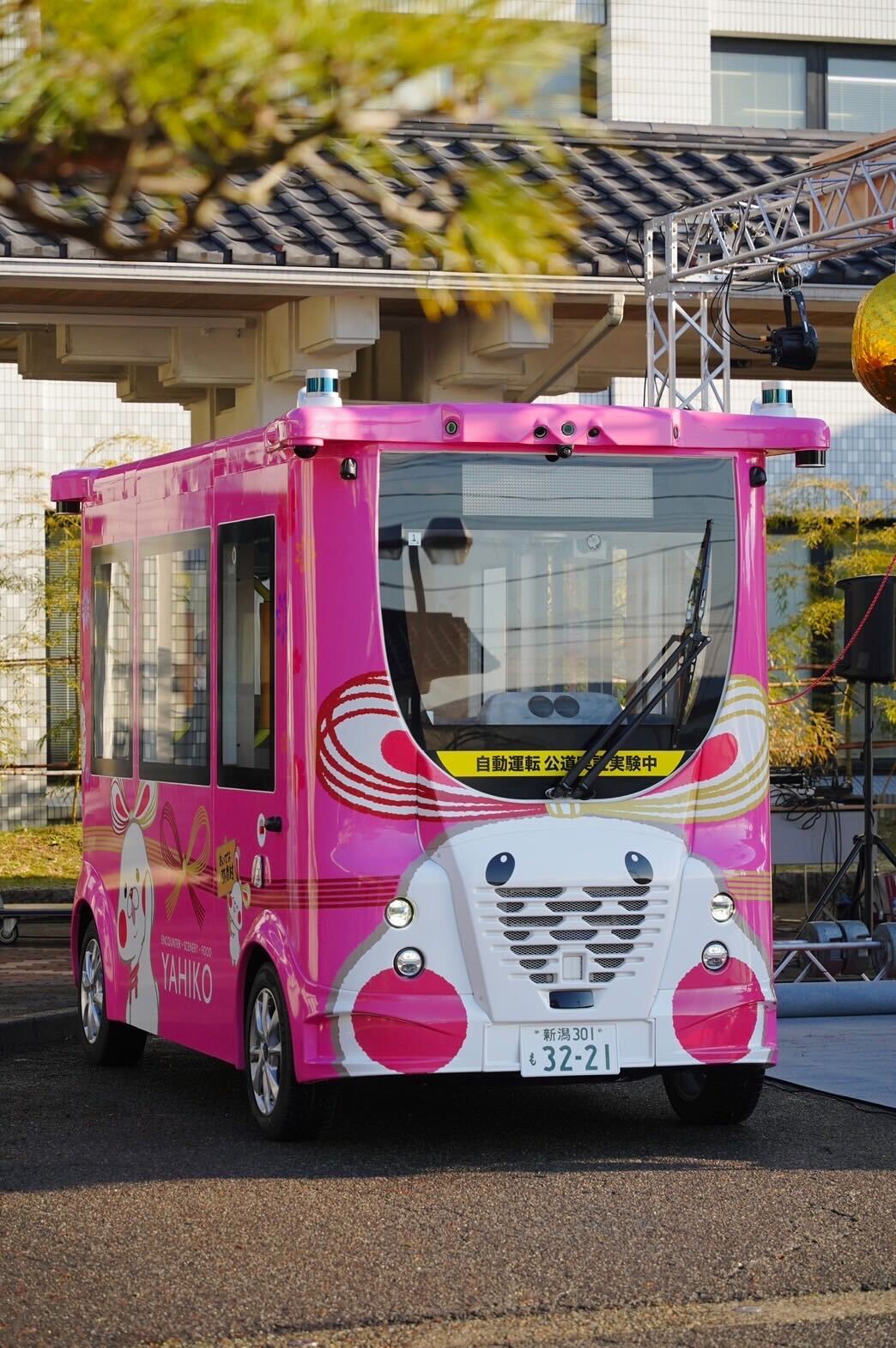
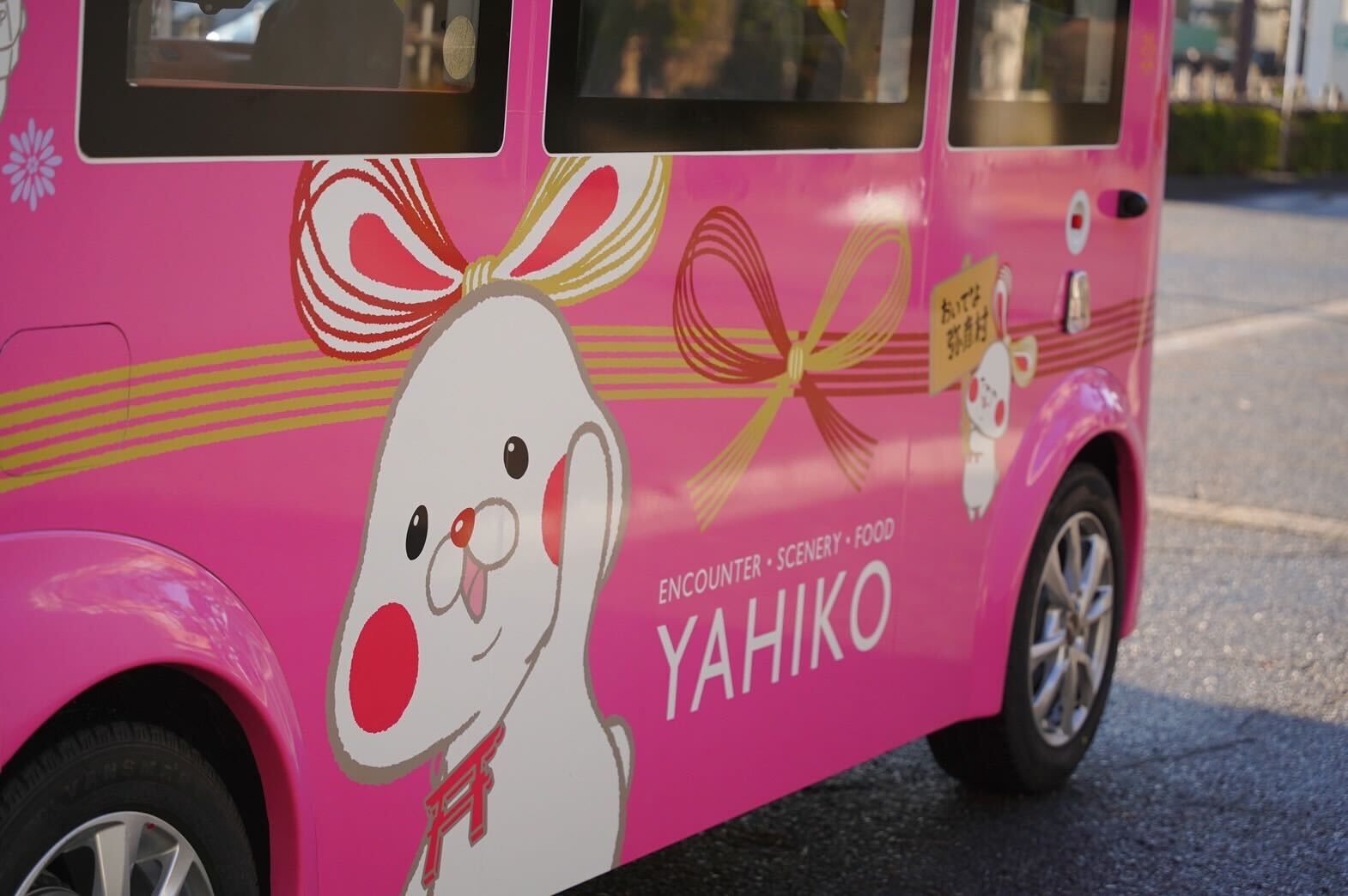
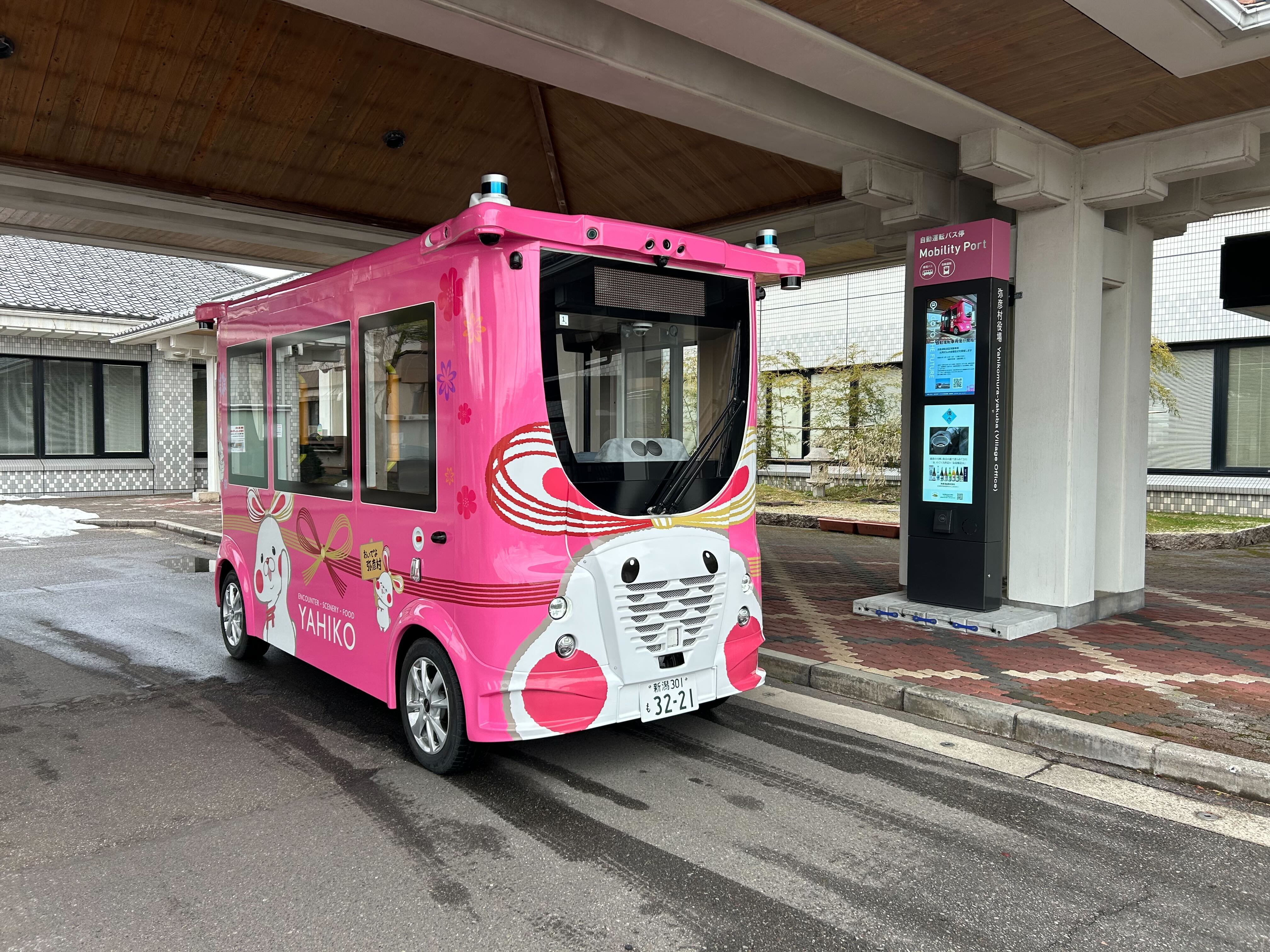
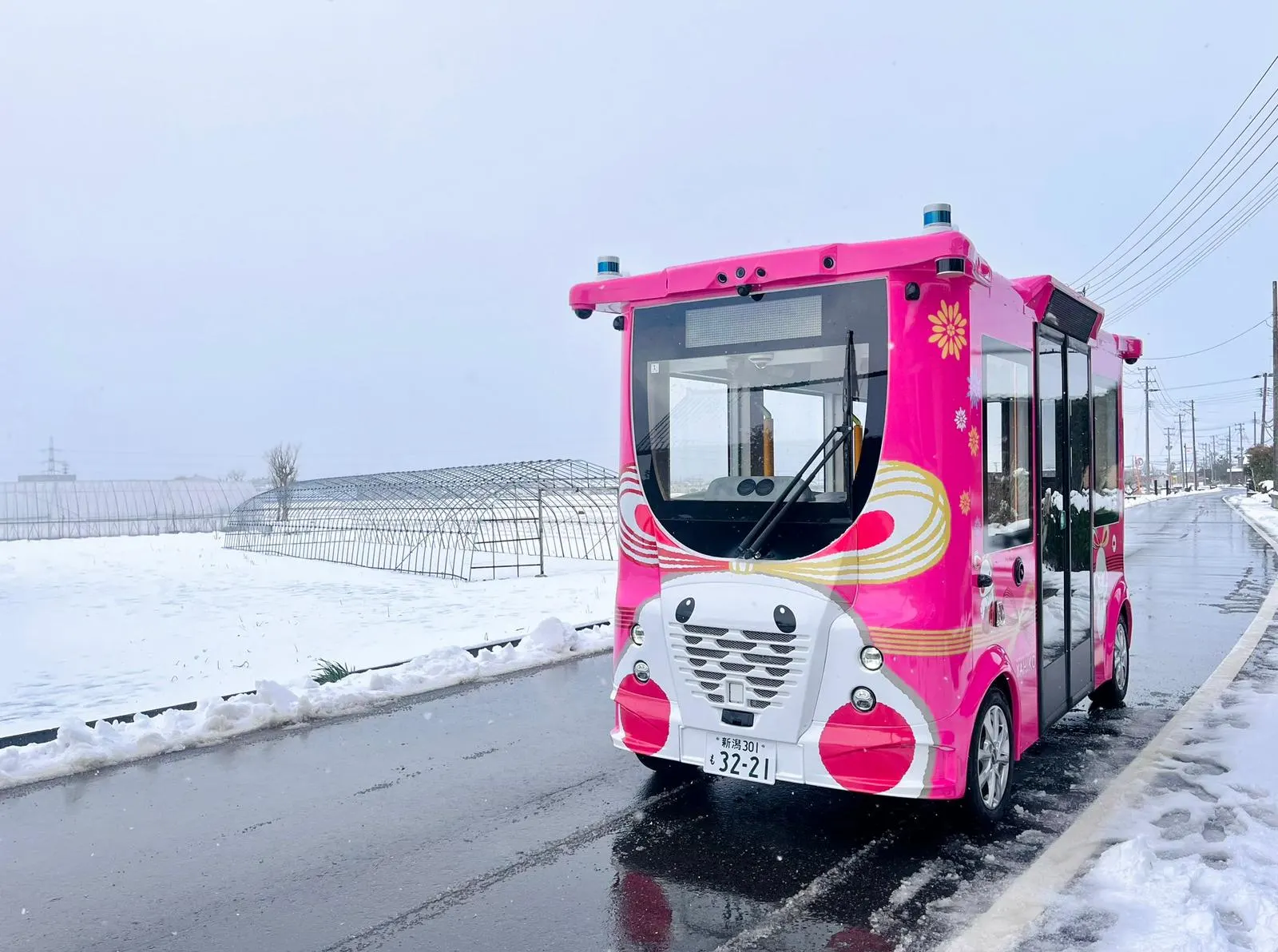
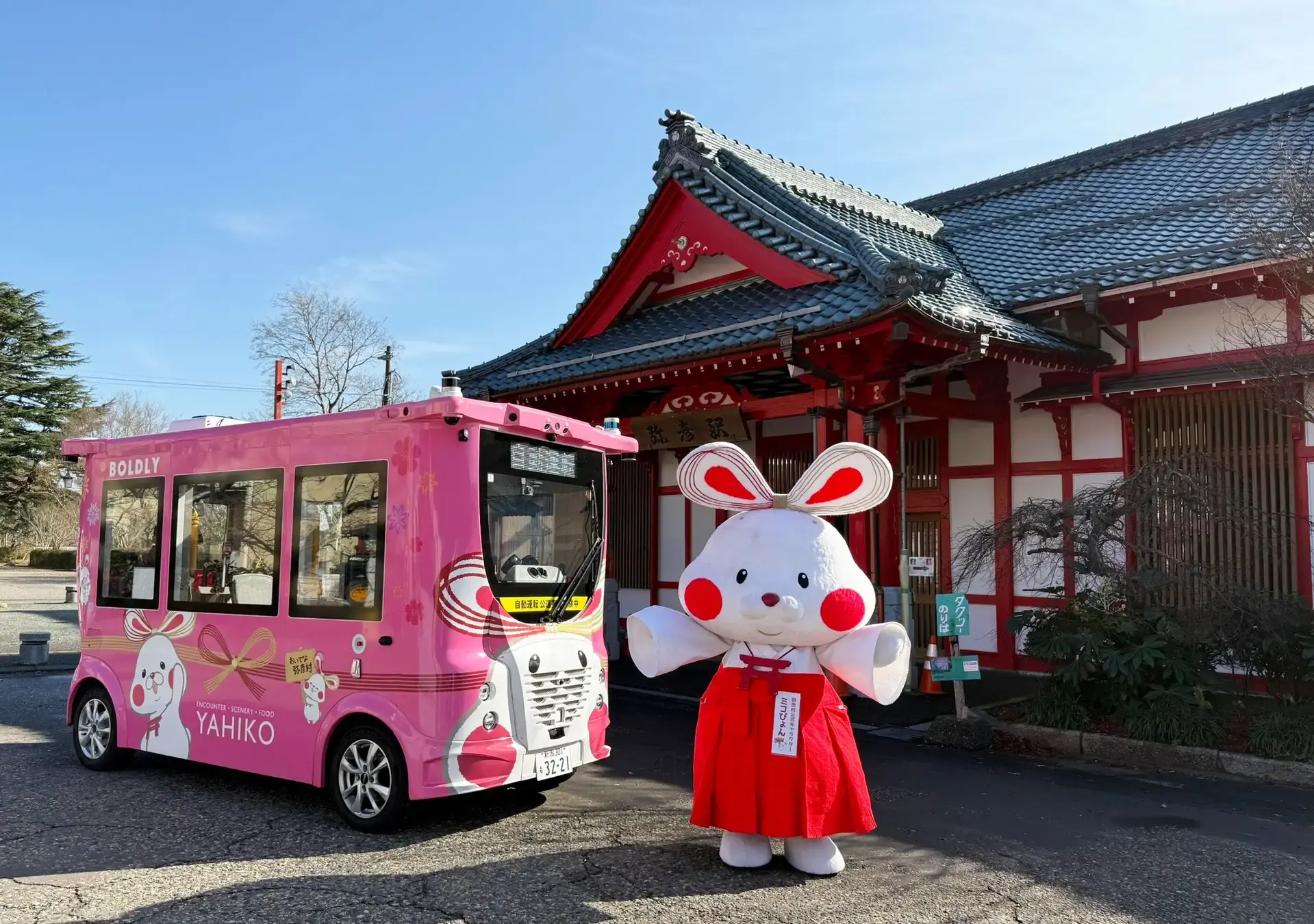
Auve Tech’s autonomous bus has been deployed in Yahiko, Japan, as part of a groundbreaking project aimed at addressing rural transportation challenges. By integrating cutting-edge autonomous technology into scheduled public transport, the project seeks to enhance mobility for underserved demographics, particularly the elderly.

Operating Environment and Challenges

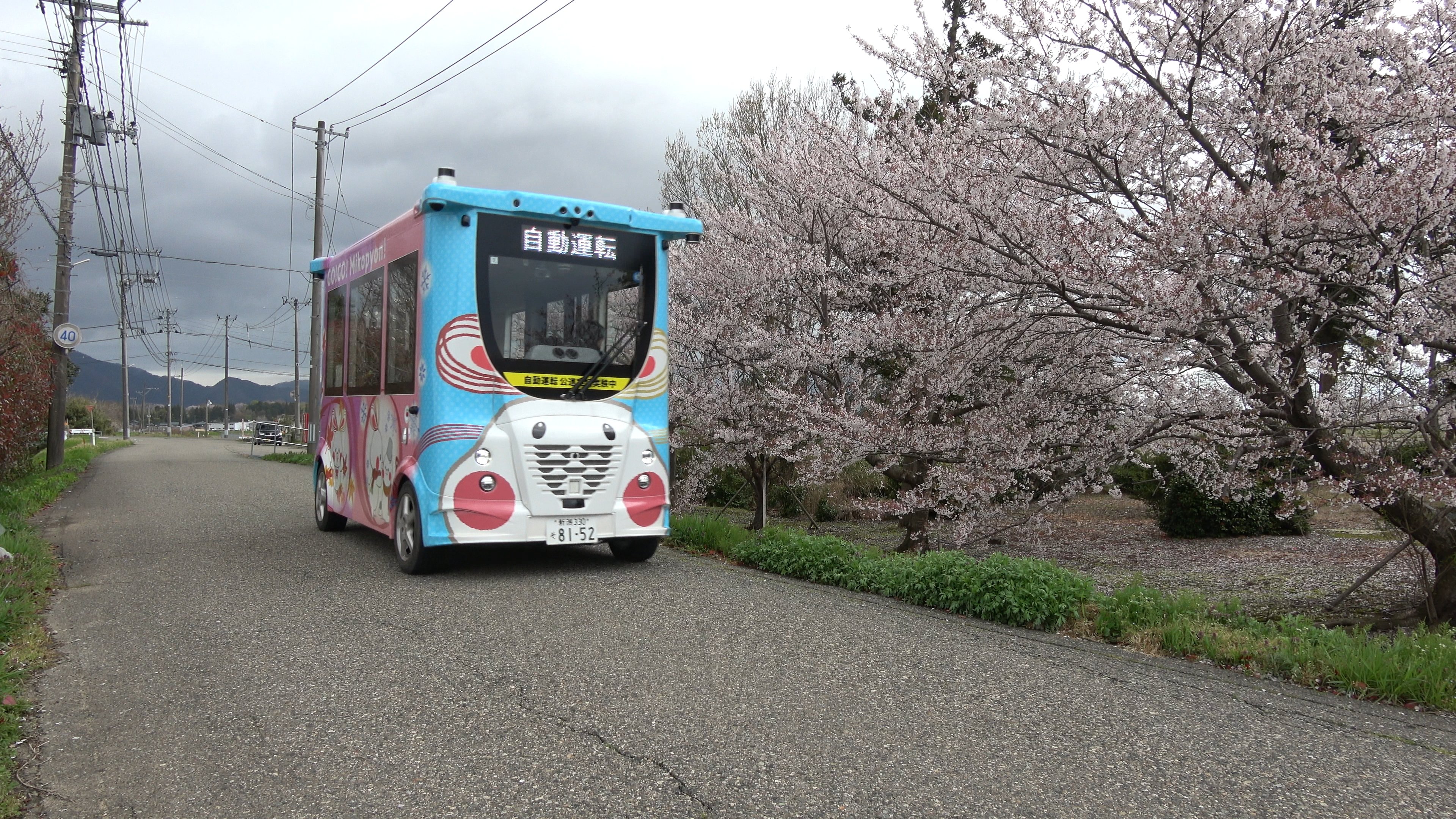
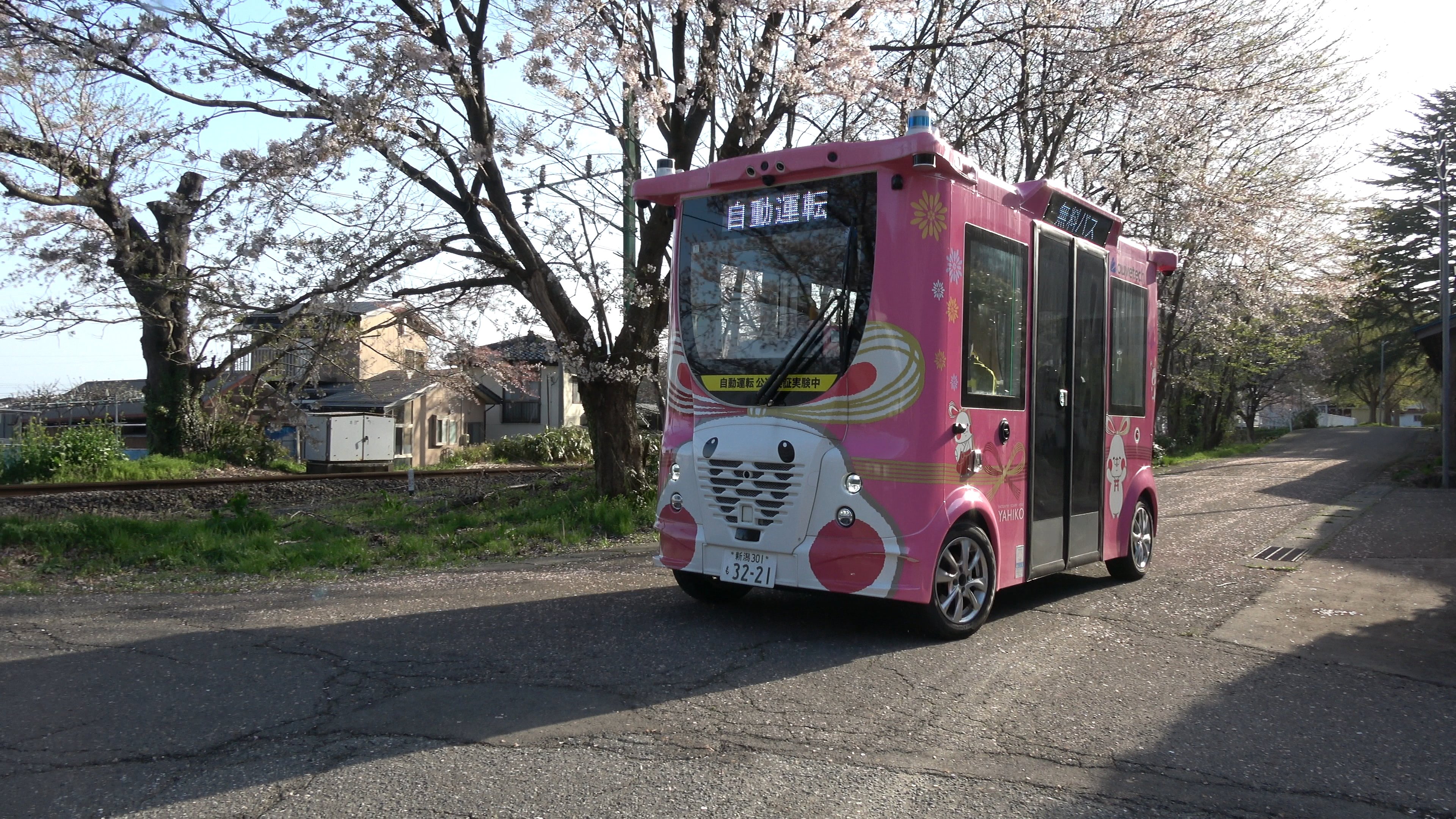
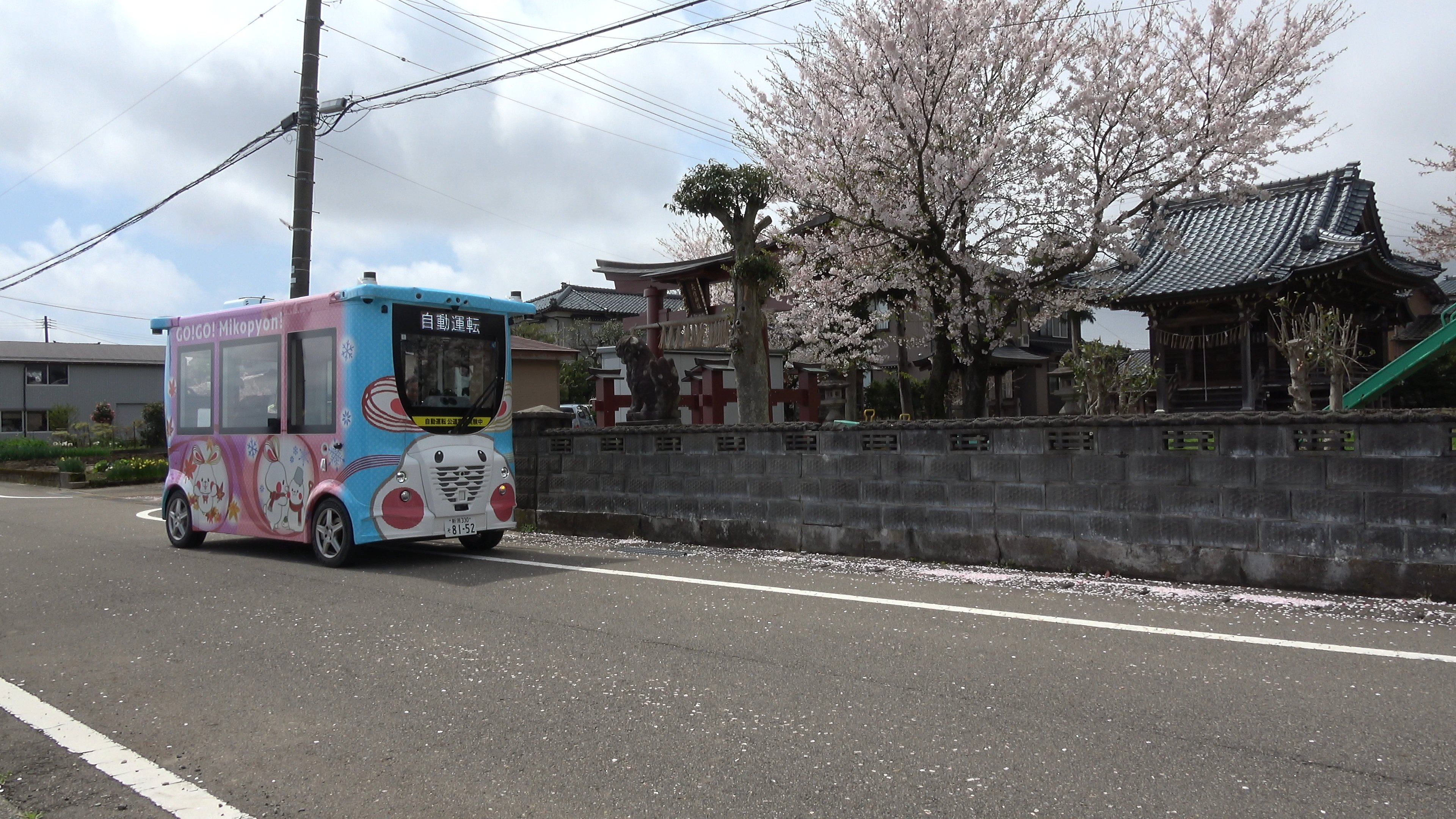
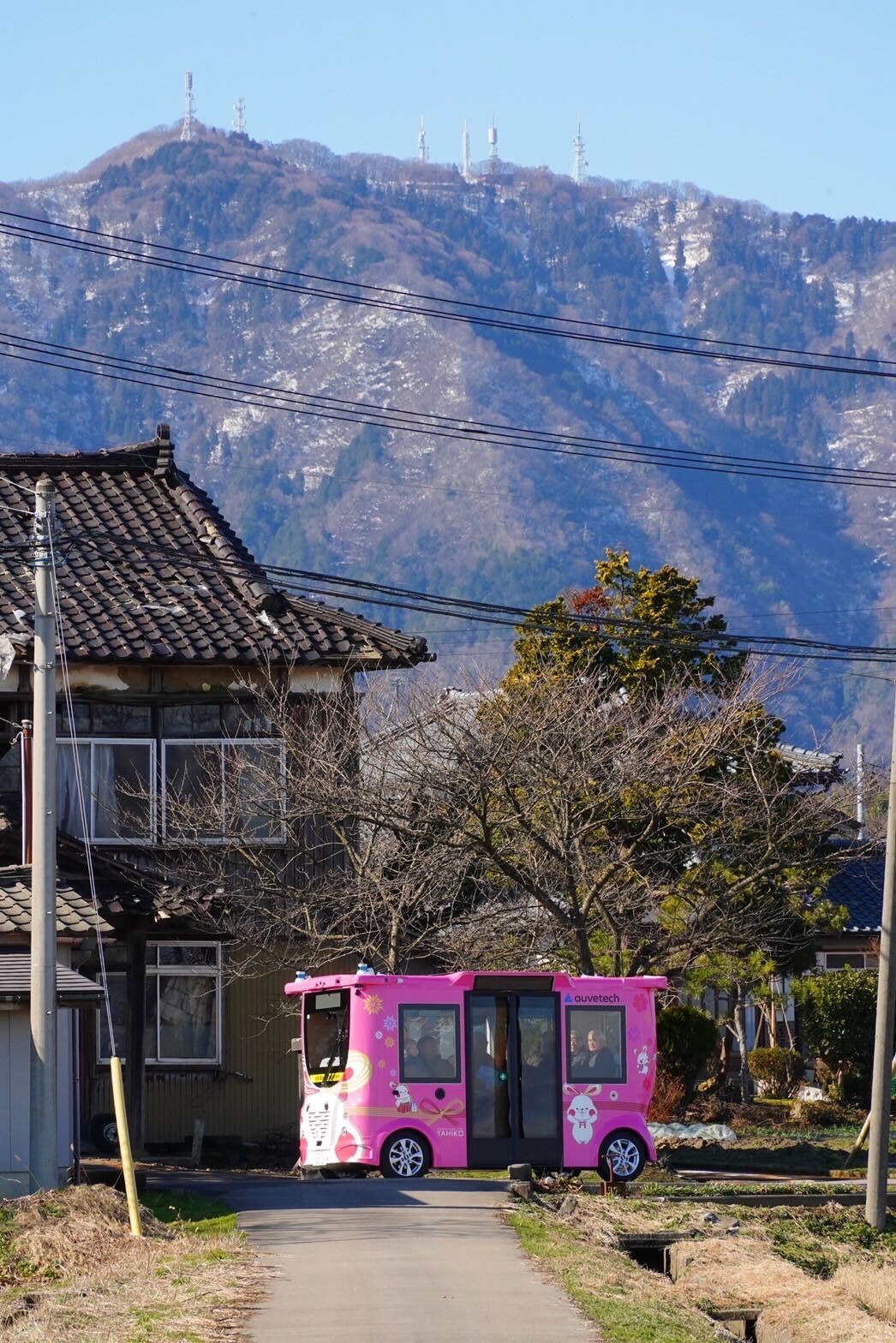
Yahiko’s autonomous bus MiCa deployment operates in a rural, mixed-traffic environment, posing unique challenges and opportunities for innovation. The project aims to tackle mobility issues for underserved residents while demonstrating the adaptability of autonomous technology in real-world conditions.
Operating Environment:

  • Route Length: 5.5 km (one-way), connecting the city hall and train station.
  • Traffic Conditions: Mixed traffic with open roads and moderate vehicle flow.
  • Key Features:
    • 5 main road intersections
    • 2 give-way intersections
    • 4 pedestrian crossings
    • No traffic lights or speed bumps
  • Road Conditions:
    • Narrow roads requiring precise navigation.
    • Seasonal weather, including snow, creating operational challenges.

Goals and Solutions

Goals:

  • Enhance Mobility for Elderly Residents:
    • Provide a reliable and efficient public transportation option for elderly citizens in rural Yahiko.
    • Ensure easy access to essential locations, such as the city hall and train station.
  • Address Driver Shortages:
    • Reduce dependency on human drivers by implementing autonomous technology in scheduled public transport.
  • Improve Public Transport Efficiency:
    • Create a sustainable and scalable transport system tailored for rural environments.
    • Optimize routes and schedules to serve low-traffic areas effectively.
  • Demonstrate Autonomous Capabilities:
    • Showcase the reliability of Auve Tech’s MiCa autonomous buses in mixed-traffic, rural, and snowy conditions.
    • Establish Yahiko as a model for future rural autonomous mobility projects.

Solutions:

  • Deployment of MiCa Autonomous Buses:
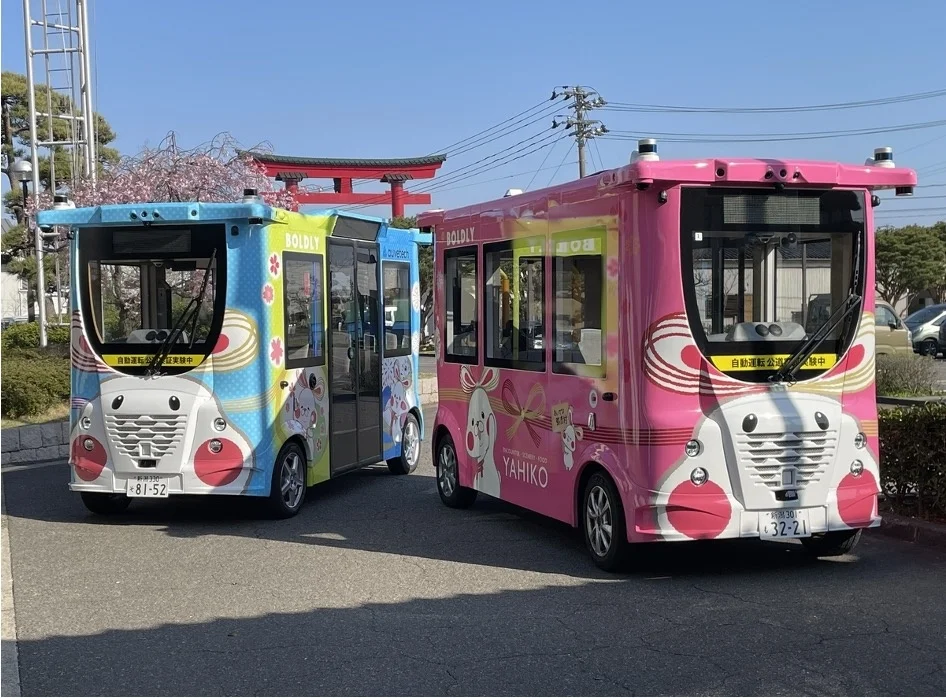
    • Utilization of two MiCa vehicles for scheduled and on-demand transport.
    • Integration of teleoperation for added safety at low-visibility intersections.
  • Optimized Route Design:
    • A 5.5 km route connecting key locations with strategically placed bus stops.
    • Safe and precise navigation through narrow roads and rural terrain.
  • Adaptation to Rural Needs:
    • Low-speed autonomous buses (max 20 km/h) tailored for rural road conditions and traffic.
    • Continuous operation in mixed traffic and challenging weather, such as snow.
  • Community-Centered Focus:
    • Providing essential mobility to underserved populations while fostering inclusivity and accessibility.
    • Demonstrating how autonomous buses can bridge the gap in regions lacking traditional public transport services.

Execution Stages

  • Planning and Preparation:
    • Designed a 5.5 km route connecting Yahiko’s city hall and train station.
    • Customized MiCa buses for low-speed rural operations and integrated teleoperation for safety.
  • Stakeholder Collaboration:
    • Partnered with Boldly for local operations and engaged the community to meet mobility needs.
  • Infrastructure Setup:
    • Established bus stops and a dedicated vehicle storage facility.
  • Testing Phase:
    • Conducted route testing and trial runs in snowy and mixed-traffic conditions.
  • Launch:
    • Began operations 29th January 2024 with scheduled and on-demand services.
  • Ongoing Optimization:
    • Monitored performance, gathered feedback, and improved route efficiency and safety.

Challenges and Outcomes

Challenges

  1. Navigating Diverse Road Conditions:
    • Yahiko’s route included narrow, rural roads and required autonomous navigation around pedestrians, cyclists, and other vehicles.
    • Wet roads due to seasonal weather added complexity to the deployment.
  2. Technology Adoption:
    • Introducing a new, autonomous public transport system to a predominantly elderly population posed challenges in gaining trust and acceptance.
  3. Infrastructure Limitations:
    • The lack of advanced infrastructure such as traffic lights and speed bumps required the buses to adapt and rely on their autonomous systems for efficient and safe operation.
  4. Operational Visibility:
    • A critical intersection with low visibility presented safety concerns, necessitating advanced solutions to prevent incidents.

Quantitative Outcomes

  • Passenger Impact: Thousands of passengers, 90% of whom rated the service highly.
  • Performance Metrics: Maintained 18 km/h average speed; interventions needed only in 5% of intersections.
  • Environmental Benefit: Reduced emissions with electric buses.

Qualitative Outcomes

  • Improved Accessibility: Elderly residents gained easier access to key locations.
  • Community Trust: Engagement and trials built confidence in autonomous technology.
  • Global Scalability: Proven viability for rural deployment with minimal infrastructure.
  • Operational Reliability: Adapted well to road challenges and weather conditions.

Ready to automate your fleet?

Join the pioneers of autonomous mobility. We offer end-to-end hardware and software integration for businesses and cities.

Ready to automate your
mobility?

Whether you're interested in deploying autonomous shuttles, exploring partnership opportunities, or learning more about our technology, our team is here to help.


GENERAL INQUIRIES
hello@auve.tech
Thank you! Your submission has been received!
Oops! Something went wrong while submitting the form.